


PREMIER MAGNESIUM GLYCINATE – A WHOLE-BODY WELLNESS ESSENTIAL!!!
15th May 2024
OPTIMIZING HEALTH WITH MAGNESIUM GLYCINATE
Emerging research suggests that magnesium is critical to maintaining necessary physiological processes and healthy mental state.
It is
estimated that between 56% - 68% of Americans do not obtain, nor absorb enough
magnesium in their diet daily to meet the recommended daily allowance (RDA) of
300-400 mg.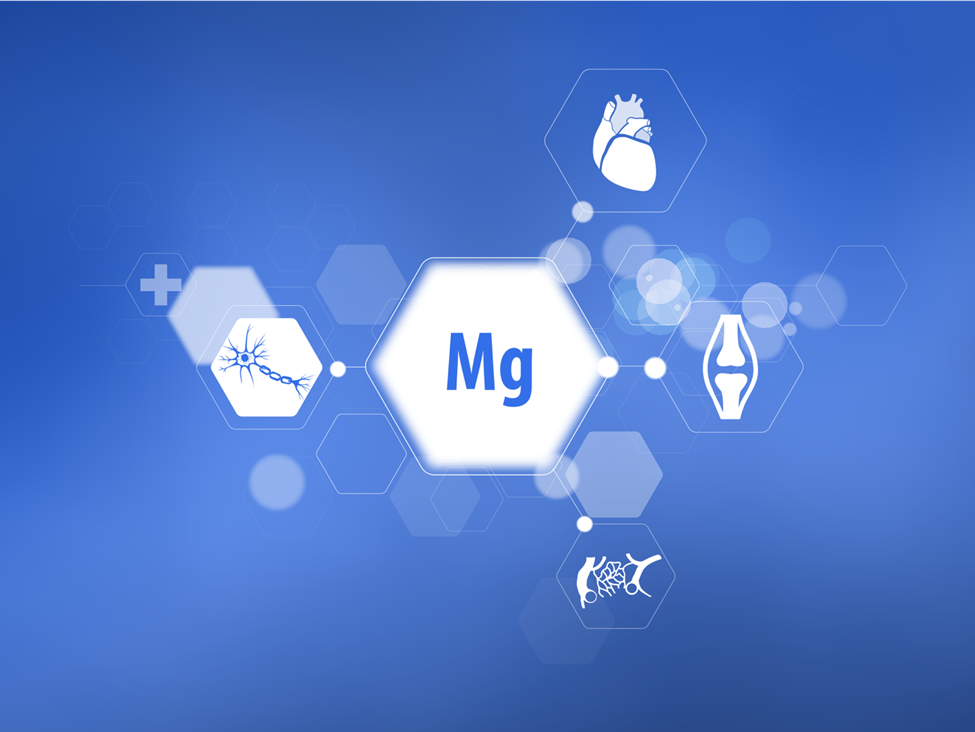
OPTIMIZING HEALTH WITH MAGNESIUM GLYCINATE:
Explore the critical role of magnesium in clinical practice and uncover the transformative impact it can have on patient well-being. Magnesium is involved in more than 300 biochemical reactions and numerous physiological processes throughout the body, including nerve function, muscle contraction, and regulation of blood pressure and glucose levels. As such, inadequate magnesium intake or absorption can impact various systems critical to maintaining peak health and wellness.1,2
Several studies have indicated the benefits associated with adequate magnesium status and mental health. 2 Magnesium plays a role in neurotransmitter function and regulation of stress responses, suggesting that deficient magnesium levels may influence mental health outcomes.
Premier Magnesium Glycinate offer an invaluable tool to stop the vicious cycle of magnesium deficiency, providing Premier Quality support to fill dietary gaps in magnesium intake, improving absorption and assimilation of this essential nutrient. Utilize Premier Magnesium Glycinate Caps to:
- Facilitate relaxation and stress reduction.
- Activate critical nerve impulses to support brain and nervous system function.
- Promote muscle relaxation and bone health.
- Support cardiovascular function and vascular integrity
- Assist with relaxation, sleep quality, and duration for
comprehensive restoration.
STOPPING THE CYCLE OF MAGNESIUM DEFICIENCY: WHAT YOU NEED TO KNOW
According to the medical literature, Americans are currently experiencing two simultaneous phenomena: (i) a “neglected epidemic of chronic disease” and (ii) a widespread deficiency of specific essential nutrients.2-5 Magnesium is one of the most essential minerals in our bodies, after calcium, sodium, and potassium. It's found mainly inside the mitochondria of our cells, where it plays a pivotal role in the synthesis of ATP (adenosine triphosphate).2
Emerging research suggests that magnesium deficiency may contribute to the development and exacerbation of chronic diseases, including mental health disorders. It is estimated that between 56% - 68% of Americans do not obtain, nor absorb enough magnesium in their diet daily to meet the recommended daily allowance (RDA) of 300-400 mg.1,2,6
Magnesium deficiency can present with various symptoms, including muscle cramps, fatigue, nausea, mood changes, sleep disturbances, headaches, irregular heartbeat, and tingling sensations. As magnesium plays a crucial role in muscle function, energy production, mood regulation, and nerve transmission, low levels can impact multiple bodily systems.2,6
Magnesium deficiency can arise from a combination of factors, including soil depletion from industrial farming practices and the use of mineral-chelating glyphosate (aka ‘Round-Up” pesticide), food processing and cooking methods, existing vitamin D deficiency, medication use, and lifestyle factors.7
Magnesium is not only difficult to absorb but also water-soluble. Individuals experiencing blood sugar dysregulation, alcoholism, cigarette smoking, or intake of medications like Proton Pump Inhibitors, certain antibiotics, and diuretics result in a detrimental loss of excessive amounts of this modulating mineral.1,2,6 High-dose calcium and vitamin D supplementation is associated with urinary loss of magnesium. Without adequate magnesium, the balance of these minerals in the body can become disrupted, negatively impacting bone health.2 It is essential to consider these factors when assessing magnesium status and implementing strategies to address the deficiency.
WHAT IS MAGNESIUM GLYCINATE?
Magnesium glycinate is a popular magnesium supplement known for its high bioavailability and minimal digestive discomfort. The specific structure of magnesium glycinate, which combines magnesium with the amino acid glycine, enhances its absorption and utilization in the body. This improved absorption helps ensure that a more significant amount of magnesium reaches the bloodstream, allowing the full range of magnesium benefits to be realized.6
Additionally, magnesium glycinate's gentle nature typically results in fewer digestive issues compared to other forms of magnesium supplements, making it well-suited for individuals with sensitive stomachs or gastrointestinal concerns. Magnesium glycinate offers a practical and well-tolerated option for achieving optimal magnesium levels and supporting overall health.
MAGNESIUM GLYCINATE BENEFITS
Magnesium glycinate offers a unique combination of enhanced absorption, gentle nature, relaxation benefits, improved sleep quality, and support for muscle health and recovery, making it an excellent choice for individuals seeking to optimize their magnesium levels and support overall health and well-being.
Research indicates that magnesium glycinate supplements support numerous body systems, especially as we grow older, and may benefit those who frequently experience migraines as well as premenstrual syndrome (PMS) resulting from hormone imbalance and/or chronic stress.2
Heart health. Magnesium supports healthy blood pressure and may contribute to preventing cardiovascular disease. Low magnesium levels contribute to vascular calcification, increased triglycerides, reduced HDL cholesterol transport, and other changes in blood vessel structure and lipid exchange.2,8
Musculoskeletal and Nervous System Health. Magnesium helps regulate muscle contractions and nerve impulses, contributing to relaxation, reducing muscle cramps, PMS, and migraines, and supporting healthy sleep.9-12
Mental and Neurological Health. Magnesium deficiency is prevalent among children with attention deficit hyperactivity disorder (ADHD), with supplementation demonstrating significant improvements in attention and hyperactivity indices. 13,14 Additionally, emerging evidence suggests that low magnesium levels, in addition to high aluminum levels, are implicated in Parkinson’s disease.15 Additionally, magnesium supplementation has been investigated as a potential adjunctive therapy for schizophrenia, with some studies suggesting beneficial effects on symptom severity and treatment outcomes, prompting investigation into magnesium supplementation as an adjuvant therapy.16
Bone Health. Magnesium supplementation has been associated with higher bone mineral density in elderly white men and women. It has been shown to suppress bone turnover in postmenopausal women and young adult males. 17-19 However, both excessively high and low magnesium levels appear to be detrimental to bone health. 20
Metabolic health. Higher dietary magnesium intake is associated with a 47% lower incidence of diabetes, suggesting its importance in preventing metabolic syndrome, where magnesium levels tend to be lower.21,22
Maternal health. Based on preliminary evidence, magnesium supplementation during pregnancy may support maternal health by potentially reducing the risk of adverse pregnancy outcomes and promoting the infant's long-term health.23
Stress Management. Stress, whether physical stress (including heat, cold, exertion, trauma, or surgery), emotional stress (including excitement, worry, and melancholy mood), or shortness of breath such as that found in asthma, increases the need for supplemental magnesium.24
MAGNESIUM GLYCINATE VS. MAGNESIUM CITRATE
Magnesium can be difficult for the body to absorb. Its bioavailability
varies depending on its chemical form. Magnesium glycinate boasts higher
bioavailability than Magnesium citrate, allowing for a significant portion of
the magnesium to be absorbed into the bloodstream after ingestion.1 This
heightened absorption is attributed to the glycine molecule, which acts as a
chelating agent, binding to magnesium and facilitating its passage through the
intestinal wall. As a result, more magnesium reaches systemic circulation,
maximizing its effectiveness in supporting various bodily functions.
MAGNESIUM GLYCINATE SIDE EFFECTS
Drug Interactions: Magnesium supplements, including magnesium glycinate, can interact with certain medications. For example, magnesium may interfere with the absorption of certain antibiotics, bisphosphonates (used to treat osteoporosis), and drugs used to manage certain heart conditions. Additionally, magnesium supplements may enhance the effects of muscle relaxants and medications that lower blood pressure.
Dosing Concerns: The recommended dosage of magnesium glycinate can vary depending on individual factors such as age, sex, health status, and dietary magnesium intake. Generally, starting with a lower dose and gradually increasing as needed while monitoring for any adverse effects is advisable. The Recommended Dietary Allowance (RDA) for magnesium for adults is typically around 300-400 mg per day, but individual requirements may vary. Excessive intake of magnesium supplements can lead to diarrhea, nausea, and other adverse effects, so it’s essential to stay within the recommended dosage without medical supervision.
Individual Sensitivities: While magnesium glycinate is well-tolerated by most individuals, some may be sensitive to magnesium or glycine. You should avoid magnesium glycinate supplementation if you have a known allergy or sensitivity to either of these substances.
Magnesium glycinate is considered a safe and effective supplement for many individuals. Still, it’s essential to be mindful of potential side effects, drug interactions, and dosing considerations, especially if there are underlying health conditions.
HOW TO USE MAGNESIUM GLYCINATE
While magnesium glycinate supplementation is likely needed for most American adults, it is essential to know that the absorption of magnesium glycinate can be influenced by factors such as the timing of dosing and whether it's taken with or without food.
Timing of Dosing: While there isn't a specific time of day that guarantees optimal absorption of magnesium glycinate, some people find it beneficial to take it at certain times based on personal preference or health goals. For example, taking magnesium glycinate before bed may help promote relaxation and improve sleep quality due to its calming effects. Others prefer taking it in the morning to support energy levels and overall well-being. Ultimately, the best time to take magnesium glycinate depends on individual preferences and lifestyle factors.
With or Without Food: Magnesium absorption can be influenced by the presence of food in the stomach. Taking magnesium supplements with food may enhance absorption and reduce the risk of gastrointestinal discomfort in some individuals. However, magnesium glycinate is typically well-tolerated and may be taken with or without food based on personal preference. If someone experiences digestive issues with magnesium supplements, taking them with food may help alleviate any discomfort.
Magnesium Glycinate Caps - Dietary Supplement 90 Plant-Source Capsules Premier Energy Support*
